Build Land. Build Enterprise. Build Inheritance.
The Covenant Village Land and Economic Stewardship Program brings registered covenant families into a complete ecosystem of housing, agriculture, renewable infrastructure, education, family enterprise, tourism, local governance and intergenerational wealth.
More than a land purchase
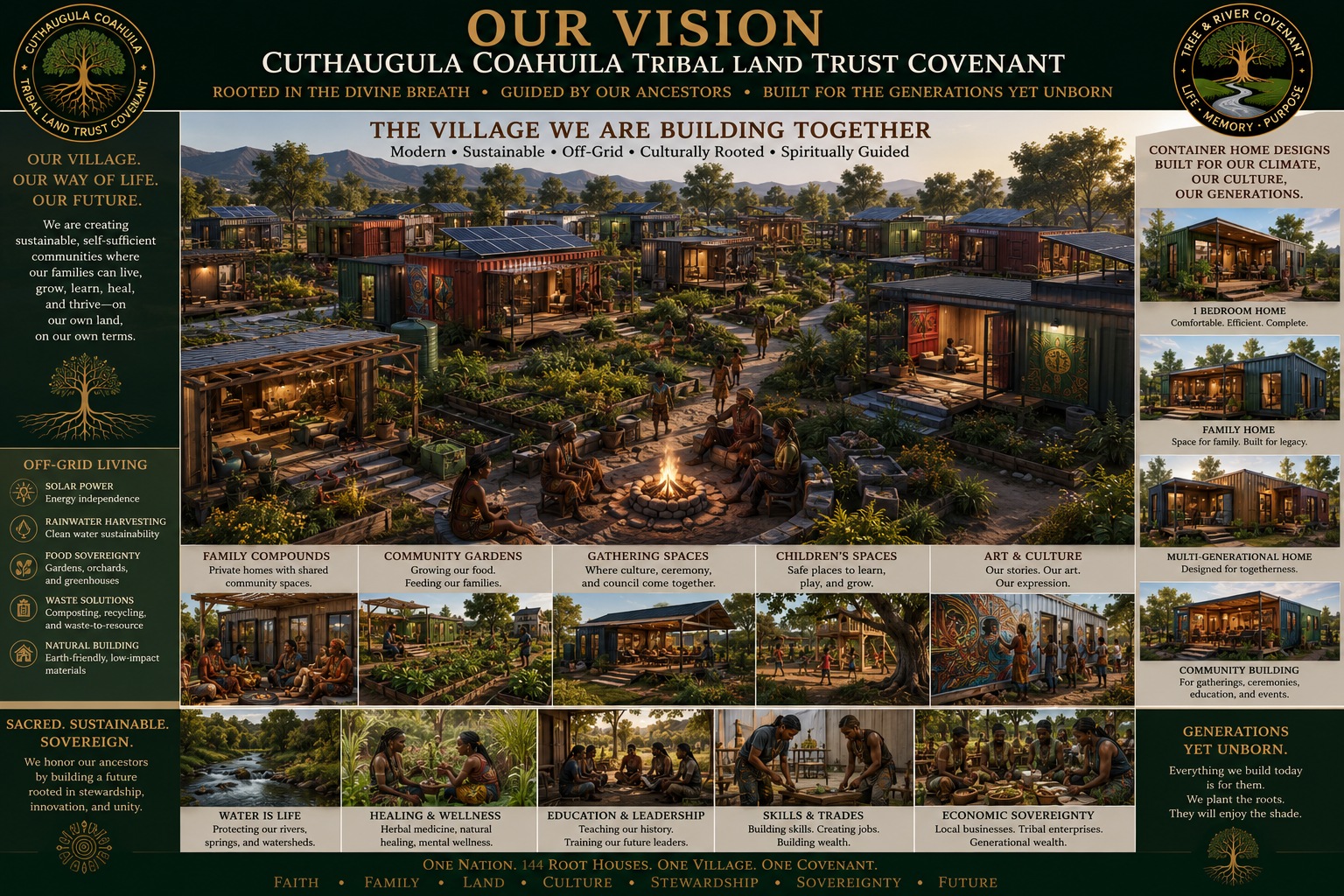
A family enters an organized land-based civilization model. The property is developed as a Covenant Village, not as an uncoordinated collection of private parcels.
Family homesites
Approved families may receive a residential plot, long-term lease, rental opportunity or other documented occupancy and stewardship arrangement.
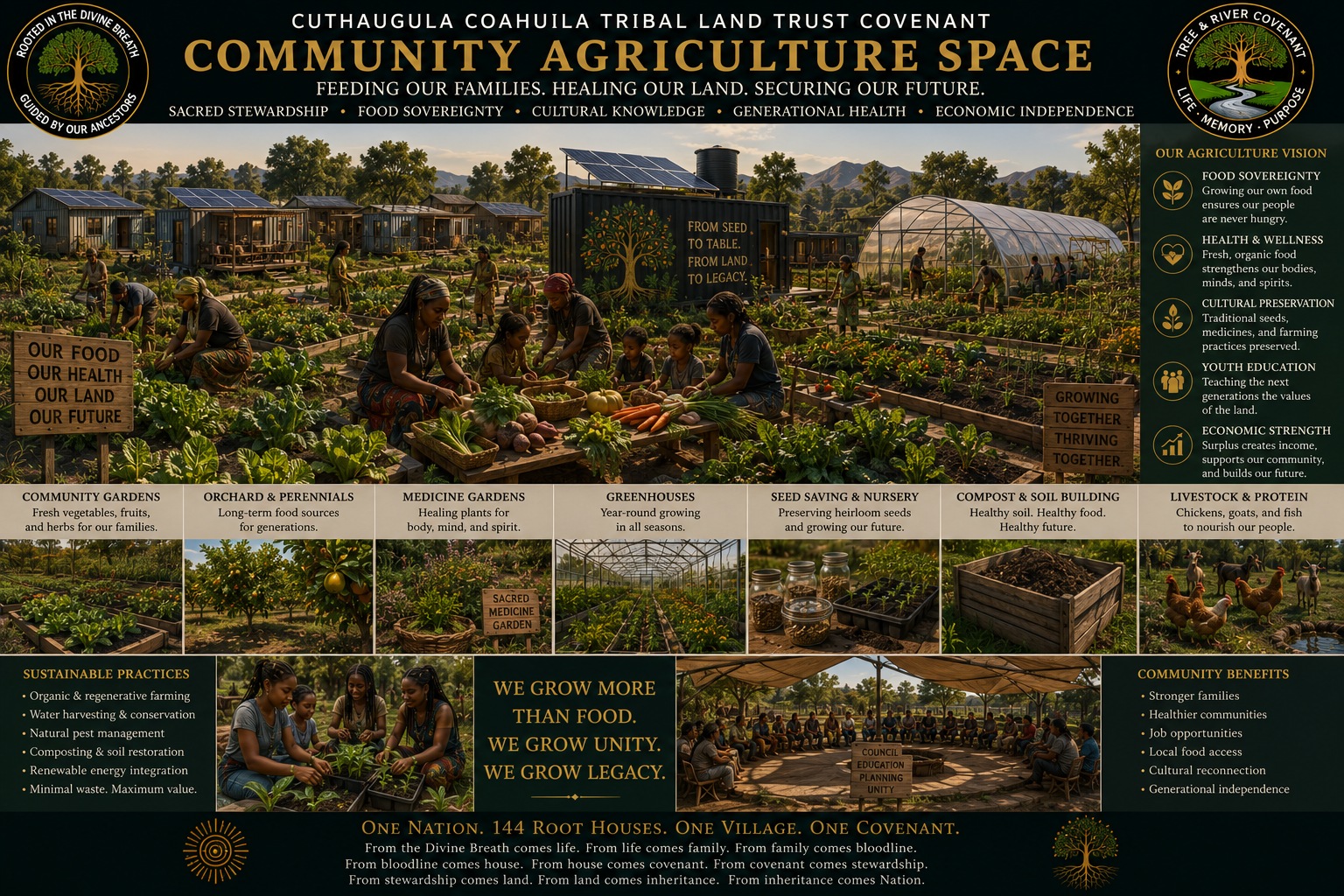
Food sovereignty
Every Village develops household gardens, shared agricultural land and commercial production so families can feed themselves and generate income.
Shared infrastructure
Collective funds support roads, water, sanitation, renewable energy, internet, security, common facilities and replacement reserves.
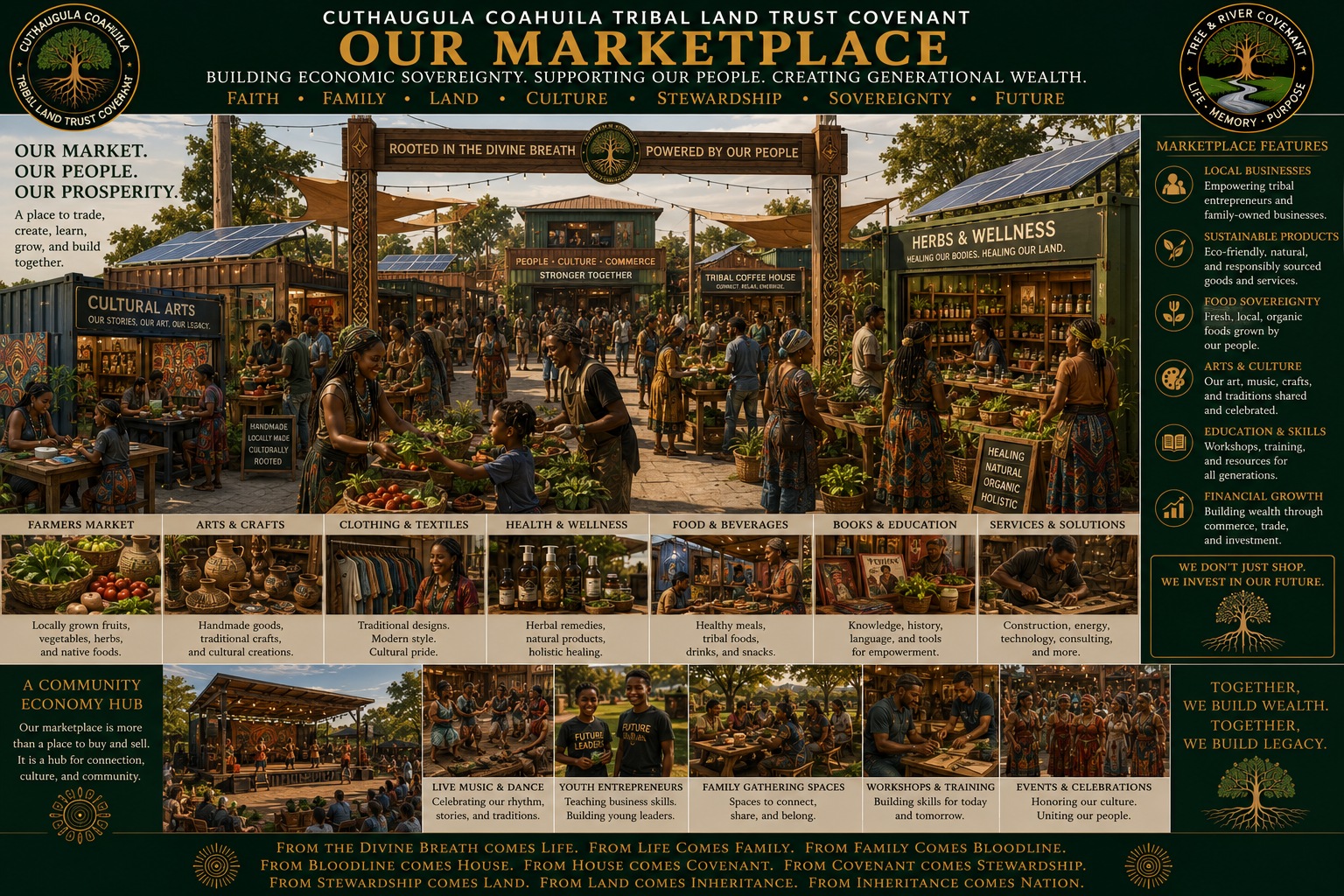
Permanent marketplace
Families sell food, goods, services, culture, technology, crafts and professional work to residents and outside customers.
Education for capacity
Children and adults learn culture, agriculture, science, trades, technology, business, governance and practical stewardship.
Retreat and tourism
Each Village develops a retreat, lodge, campground, educational farm, festival ground or other visitor enterprise suited to its location.
Listen to the full program overview
The built-in player uses your browser’s text-to-speech system. No external audio file is required.
“The Covenant Village: Land, Family Enterprise and Generational Wealth”
Ready to begin.
Read the complete narration transcript
Welcome to the Covenant Village Land and Economic Stewardship Program, a family-centered program established beneath the Tree and River Covenant for qualified People of the Record.
This program is not merely an offer to rent a house, acquire a parcel, or contribute money toward real estate. It is an invitation to participate in the development of a complete economic ecosystem of community self-sufficiency.
Land may enter the system in two ways. First, multiple Family Trusts may pool their resources and establish a Land Trust to acquire a property. The participating Family Trusts become the beneficiary institutions of that Land Trust, and each Family Trust appoints one representative to the local governing body. Second, land may be acquired and held by the Master Tree and River Covenant Trust or by the United American Tribal Embassy International Trust. Qualified covenant families may then receive rental, lease, occupancy, agricultural, enterprise, or long-term stewardship opportunities upon those trust holdings.
Every participant must first be a registered covenant member. A family that is not yet registered may begin with the People of the Record documentation process. Membership is based upon an evaluated family record and acceptance of covenant responsibilities. Interest in land does not automatically create membership, beneficiary rights, or placement.
Every approved property is developed as a Covenant Village. A Covenant Village is not merely a neighborhood. It is an organized land-based community integrating housing, food production, education, enterprise, infrastructure, cultural continuity, public administration, tourism, local governance and generational planning.
A family may receive a homesite upon which it may build an approved residence, place approved housing, or participate in a cooperative housing plan. Other families may rent or enter long-term residential agreements. The land remains protected within the applicable trust, while the family receives documented rights and duties concerning occupancy, stewardship, improvements, succession and participation.
The families collectively support infrastructure. This may include roads, water production, purification and storage, sanitation, solar generation, battery storage, utility distribution, communications, security systems, community buildings, agricultural facilities, a marketplace, a school and a retreat or tourism center.
Agriculture is a foundational Village function. Each Village works toward the capacity to feed its resident families while also producing commercial opportunity. Agriculture may include family gardens, community fields, greenhouses, orchards, medicinal herbs, seed preservation, poultry, livestock, aquaculture, food processing, cold storage and market distribution.
The Village economy recognizes the family as an economic unit. The question is not only what job an individual can obtain. The question is what the family can build, operate, produce, teach and transmit to the next generation. Families may establish farms, construction companies, food businesses, transportation services, educational enterprises, health and wellness services, technology ventures, media operations, crafts, manufacturing, retail and tourism services.
Every Village maintains a marketplace. The marketplace connects agriculture, family businesses, cooperative enterprises, cultural production and visitors. It creates a place where value can enter the community, circulate among families, and support common institutions.
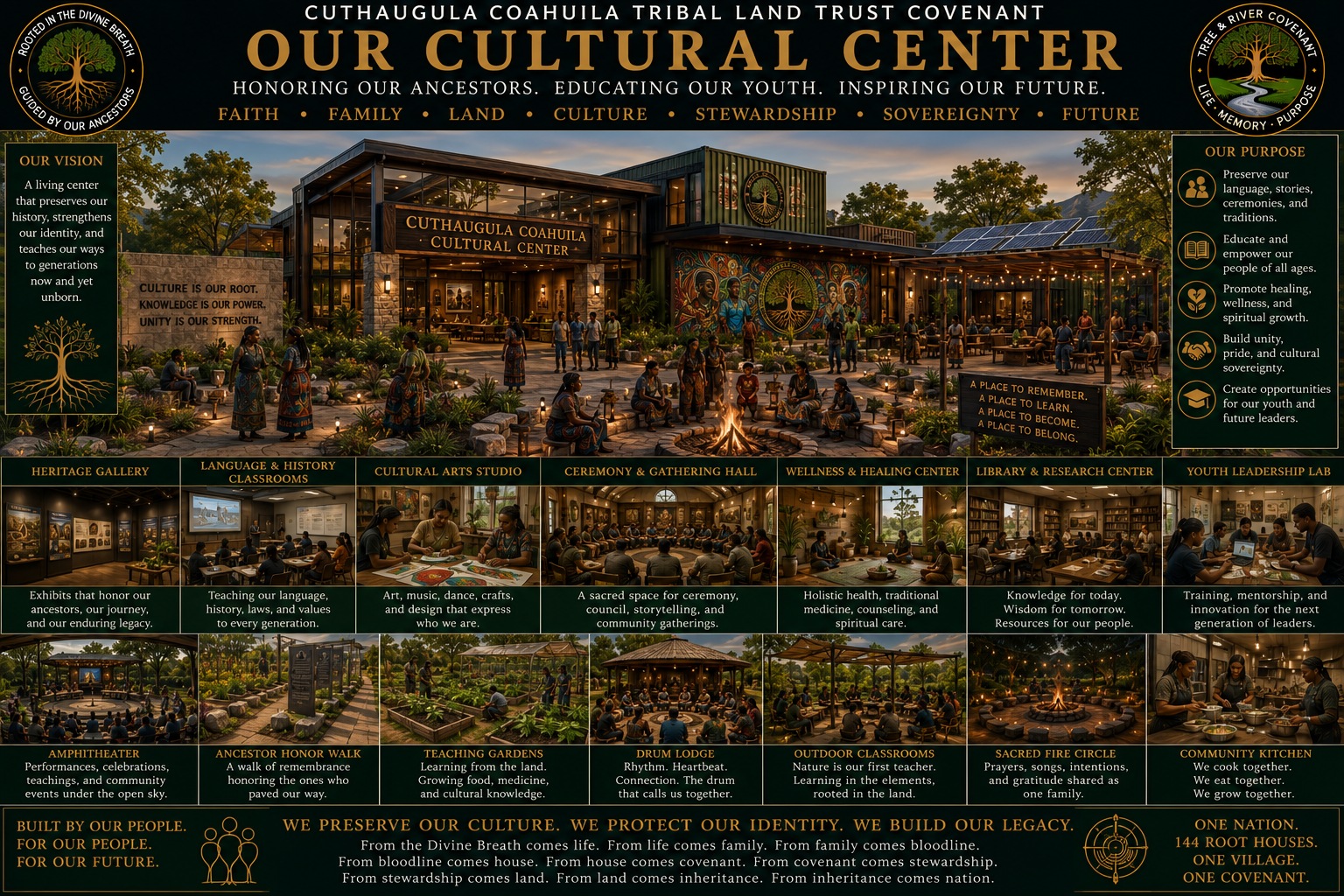
Tourism is a cornerstone of outside revenue. Depending upon the property, a Village may operate cabins, a campground, a lodge, a cultural retreat, a wellness program, an educational farm, conferences, festivals, heritage experiences or seasonal gatherings. Tourism brings outside money into the Village while creating employment and enterprise for participating families.
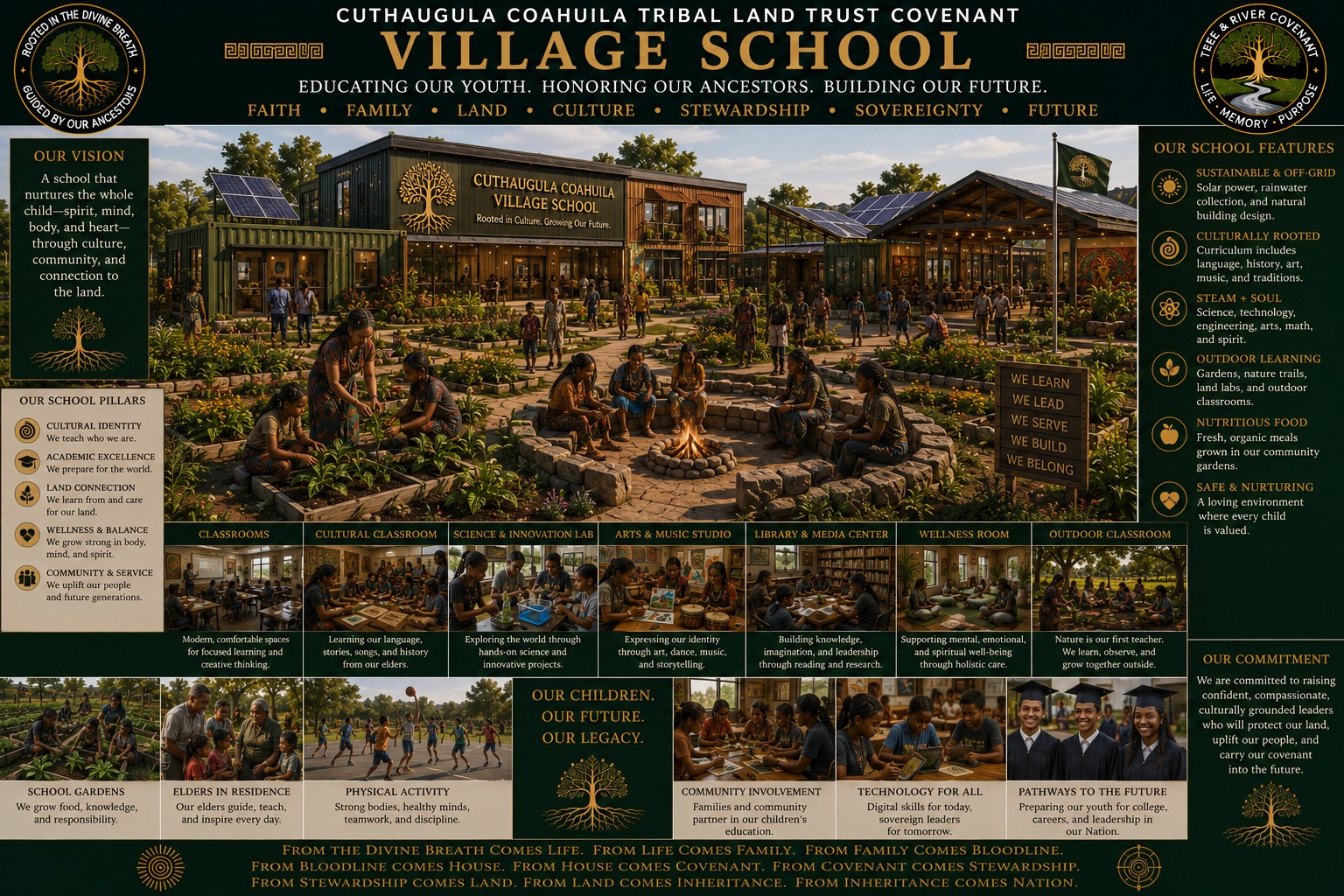
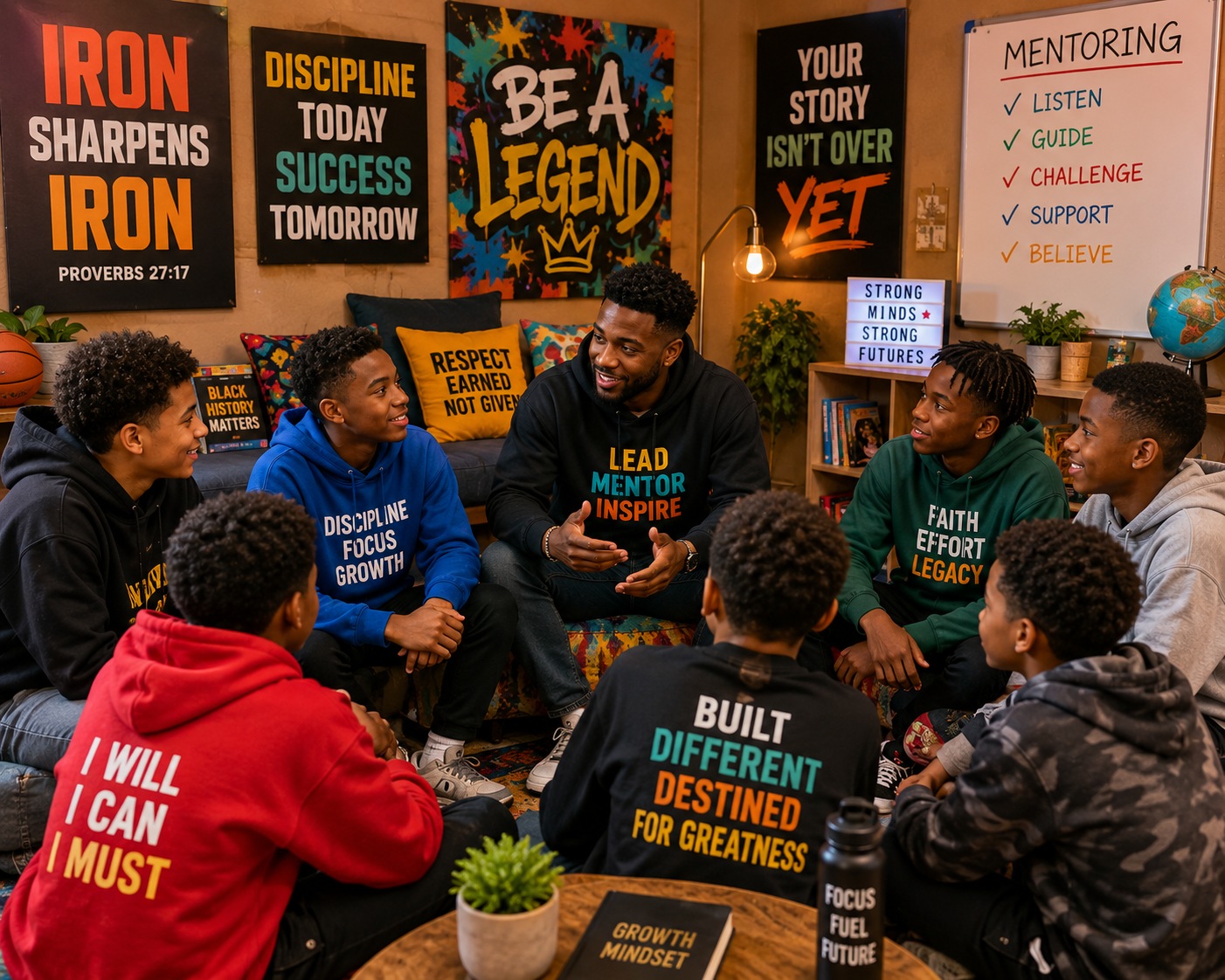
Every Village develops an educational institution appropriate to its stage. Children and adults may learn culture, history, agriculture, science, renewable energy, water management, technology, business, accounting, governance, construction and other trades. Education is connected to the actual life of the Village, preparing young people not only to seek work but to create value and continue family enterprises.
Village income is separated into family income and collective income. Income earned by an approved family business belongs to that Family Trust, subject to agreed fees, leases and obligations. Income produced by collectively owned agriculture, utilities, tourism, marketplace operations or other trust enterprises is community or trust revenue.
Collective revenue first pays operating expenses, utilities, insurance, security, infrastructure, maintenance, education, agriculture, reserves and future development. When the governing documents permit and adequate reserves exist, a portion of available net surplus may be distributed to qualified beneficiary Family Trusts through a Community Participation Distribution. Each Family Trust then administers its received funds under its own governing documents.
Governance begins with the participating Family Trusts. Each qualified Family Trust appoints one representative to the local Community Assembly or Village Council. The Assembly establishes policy, approves budgets, determines priorities and directs the long-term development of the Village.
An Executive Administration carries out those policies. It manages departments, employees, infrastructure, agriculture, security, education, utilities, enterprise, tourism, records and daily operations. It must also ensure that every implemented policy remains aligned with the Tree and River Covenant and the property’s governing trust charter.
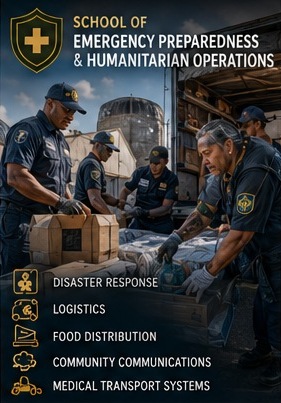
Each Village may maintain departments modeled upon the wider covenant government, including Education, Agriculture, Public Health, Commerce, Public Safety, Infrastructure, Environmental Stewardship, Community Development, Culture and Heritage, Science and Technology, Communications, Finance, Youth Development, Family Services, Veterans Affairs and Emergency Management.
Each property may also be internally chartered as a Covenant Township or Covenant State within the Trubian Village and covenant structure. This is an internal constitutional and administrative designation. It does not, by itself, establish a state-recognized municipality, state government, police power or public court jurisdiction.
Each Village may establish a Covenant Village Court or tribunal for internal covenant, membership, stewardship, administrative and contractual disputes. Its process should emphasize notice, mediation, impartial hearings, written decisions and appeal. Matters controlled by external law remain subject to courts and authorities possessing lawful jurisdiction.
The complete system is designed to build generational wealth. Generational wealth includes protected land access, stable housing, productive agriculture, operating businesses, education, infrastructure, family records, governance experience, succession rights and participation in a functioning economic network.
Families are therefore not being invited merely to buy land. They are being invited to help build communities in which families can live, grow food, educate children, operate enterprises, generate income, govern local affairs, preserve culture and transmit a stronger inheritance to future generations.
How the parts work together
What your family can build
A home, farm, food enterprise, construction service, wellness practice, transportation business, technology company, tourism service, school program, craft operation, retail business or other approved family enterprise.
What the Village builds collectively
Water, power, roads, sanitation, security, school facilities, marketplace infrastructure, shared agriculture, tourism facilities, reserves and common institutions.
Three economic streams
1. Family enterprise income
Income produced by an approved family-owned enterprise belongs to that Family Trust, subject to agreed rent, fees, licensing, assessments or revenue-sharing terms.
2. Trust enterprise revenue
Income from trust-owned farms, utilities, retreats, markets, lodging, property services, manufacturing or other collective enterprises supports the trust estate.
3. Community participation distributions
After expenses, infrastructure, utilities, security, education, reserves and reinvestment, an authorized portion of available surplus may be distributed to qualifying beneficiary Family Trusts.
Every Village has a complete governing structure
Each property may be internally chartered as a Covenant Township or Covenant State within the Trubian Village and Tree and River Covenant system.
Land Trust
Holds and protects property, infrastructure, reserves and permanent community assets.
Community Assembly
One appointed representative from each participating or resident Family Trust establishes policy and approves budgets.
Executive Administration
Implements adopted policy, manages departments and ensures alignment with the Covenant and trust charter.
Village Court
Handles authorized internal covenant, stewardship, administrative, contractual and community disputes through due process.
Executive departments
Registered covenant families
Already registered
Provide your covenant membership number, Family Trust record, household information, preferred location, contribution capacity and area of participation.
Not yet registered
Begin with the People of the Record documentation and covenant membership process. After approval, establish or register your Family Trust and continue into land-program qualification.
Who are the People of the Record?
For this program, the term refers to individuals and families who can demonstrate a credible family, ancestral, historical, cultural or documentary connection to peoples recorded within the Americas under Indigenous, tribal, national, community or relevant historical classifications. Eligibility is reviewed through the total family record and is not established solely by appearance, surname, DNA percentage or unsupported assertion.
Records may include birth, death, marriage, census, voter, military, land, probate, church, school, cemetery, tribal, family Bible, newspaper, photograph, oral-history and sworn family evidence. Historical classifications are evaluated in context and may vary across generations.
Basic participation requirements
Active covenant membership; approved People of the Record determination; registered Family Trust; land-stewardship orientation; financial and maintenance capacity; acceptance of the governing trust and community agreements; one authorized family representative; and agreement to succession, dispute-resolution and community standards.
Begin the application
Select the path that describes your family. This static version saves applications in this browser and allows the applicant to download a submission copy. Connect the configurable endpoint in the script to receive forms on your server.
Frequently asked questions
Does participation mean my family privately owns part of the common land?
Not necessarily. Rights depend on the property’s legal structure. The Land Trust or authorized titleholder generally holds title, while Family Trusts receive defined beneficial, occupancy, stewardship, governance, lease, improvement and succession rights.
Can my family operate its own business?
Yes, subject to approval, licensing, land-use rules and written agreements. Family enterprise income remains distinct from collective trust income.
Is a community distribution guaranteed?
No. A distribution may occur only when authorized by the governing documents and after expenses, debt, utilities, security, maintenance, reserves and reinvestment requirements are satisfied.
What authority does a Village Court have?
Only authority granted through valid covenant, membership, trust, arbitration and contractual agreements, subject to applicable law. It cannot replace courts that possess mandatory legal jurisdiction.
Can people apply before becoming covenant members?
Yes. They may begin the documentation and registration path, but final land participation requires approved covenant membership.